Sugar and spice and everything not-so-nice.

Very mild spoilers (and all kinds of conflicted opinions) below the jump.
Sugar and spice and everything not-so-nice.
Very mild spoilers (and all kinds of conflicted opinions) below the jump.
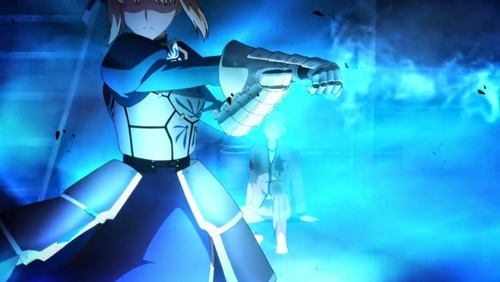
“I’m afraid there are no more things to do.”
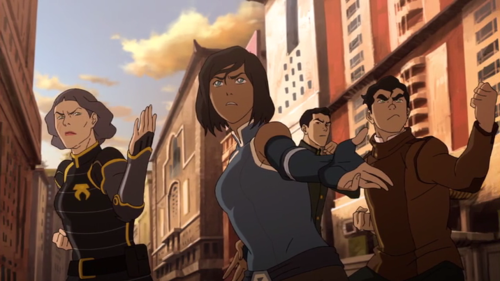
A Note on Spoilers: I’ve been calling these “reviews” even though they’re more like commentary, but this one is even less “review-like” than usual. Really, it’s an essay, full of plot points and analysis on the series as a whole. If you came here for a spoiler-free review, then, uh… Grade: A. The first two Books have their rough patches, but the last two are fantastic pretty much start to finish. In short, it’s an excellent series. Go watch it.
The rest of you should hit the jump and read on. Oh, and get comfy. I wasn’t kidding about that “essay” thing.
Good sequels and good fantasies keep the stream from drying up this season.

My fall watchlist is considerably smaller than my summer one, partly because of time constraints on my part, but mostly because there just isn’t as much that interests me this season. Not counting sequels (and yes, I count Fate/stay night as a sequel even though it technically isn’t), I’ve only kept up with seven new shows this season. Compare that to summer’s whopping 13 at the midway mark, and it sounds pretty dismal by all accounts.
That said, there is a pleasant ray of hope this fall: Fantasies have made a sudden and welcome comeback, as nearly every new series on this list features some element of magic or “arealism.” Better still, a fair number of them are two-cour, continuing this year’s trend of studios producing longer series (a very nice trend indeed). And hey, I’m also trying to watch half a dozen U.S. shows and a trio of sports, so maybe the shortened list isn’t such a bad thing.
Most everything falls (pun always intended) in “solidly watchable” B-range territory, with a couple standouts and a couple series hovering near the chopping block. What’s shining and what’s dimming? Hit the jump for a midseason check-in.
Nothing like spending Friday with some old friends.

Figured I’d pop in with quickie updates on the sequels I’m watching this season (sans Mushishi, since it’s only on Episode 2), and let everyone know how we’re doing. Mostly positive statements of varying degrees across the board, so we’ll keep this short, since if you’re looking at sequel reviews then you’re probably already invested in these shows (and if you aren’t watching Yowapeda yet, you really should be, as it’s one of the most delightful shows of the year). Hit the jump to check in with autumn’s returning players.
I need to have a conversation with the folks in charge of scheduling.

Thursday is an insane day for me this season (lots of new shows, plus those Sailor Moon Newbie Review posts), so I hope you’ll forgive me for combining these two shows. Your Lie in April certainly deserves its own post, but I ended up not having that much to say about YuAru, so rather than force my fried brain to keep typing, I figured I’d just tag a short review onto the end of a longer one. Hit the jump for a lot of positives, a few negatives, and one lovely new show.
Warning: Watching SHIROBAKO may trigger flashbacks of finals weeks and thesis deadlines.

The tale of a boy, his hand, and the trouble they get into together.
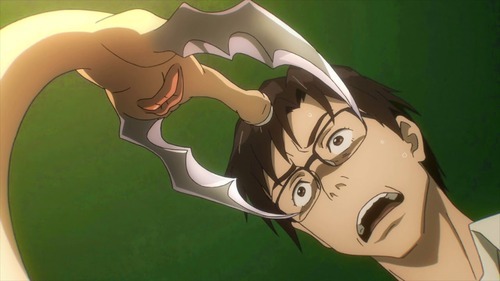
I worried during my premiere post that I might not be able to stick this one out, not because it wasn’t good (it was), but because it was a horror series that was hitting one of my major Heebie-Jeebie buttons, as I have a deep-seated terror of mind-controlling aliens crawling into people’s ears (thanks for that one, Animorphs!). So how do we stand two episodes later?
It’s a mad, mad, mad, mad fantasy world.

If anyone ever grumbles to you that all fantasy is the same, just shove these two shows into their faces, because while they may share a genre label, that’s about all they share right now. Bahamut is a western medieval barnburner full of heavenly forces, historical figures, and larger-than-life personalities, while Yona is an eastern political drama that spends as much time in the past developing its characters’ histories as it does on the dramatic events of the current timeline. Yes, these two are complete opposites – except, of course, for the fact that I’m enjoying the hell out of both. Hit the jump to see just how much.
 The Josei Next Door